Partner Your Land
Keep the farm. Add steady ground beneath it.
A free property analysis gives you a straight answer about whether solar can support your farm without taking it over.
Why Partner
A practical path that keeps ownership with you
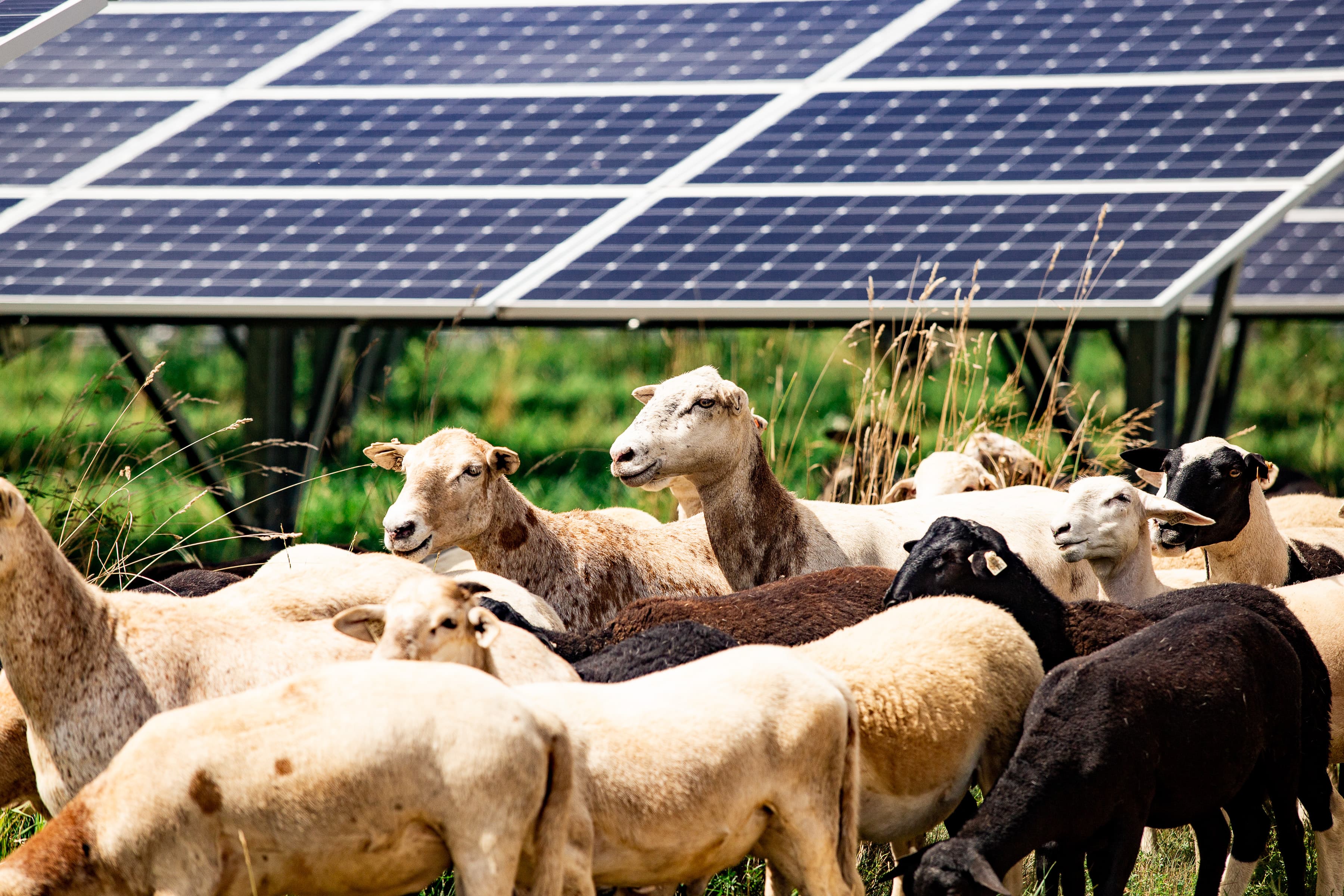
The goal is not to replace the farm. It is to use a suitable portion of land to create steadier income while the rest keeps doing what it does best.
Stable income
Add a contracted revenue stream that does not depend on the season.
Ownership stays
Use a suitable portion of land while keeping the property in the family.
Local benefit
Help nearby subscribers benefit from clean energy grown close to home.
Land restored
Plan for operations, decommissioning, and future agricultural use from the start.
Our Process
A clear path from first conversation to responsible project
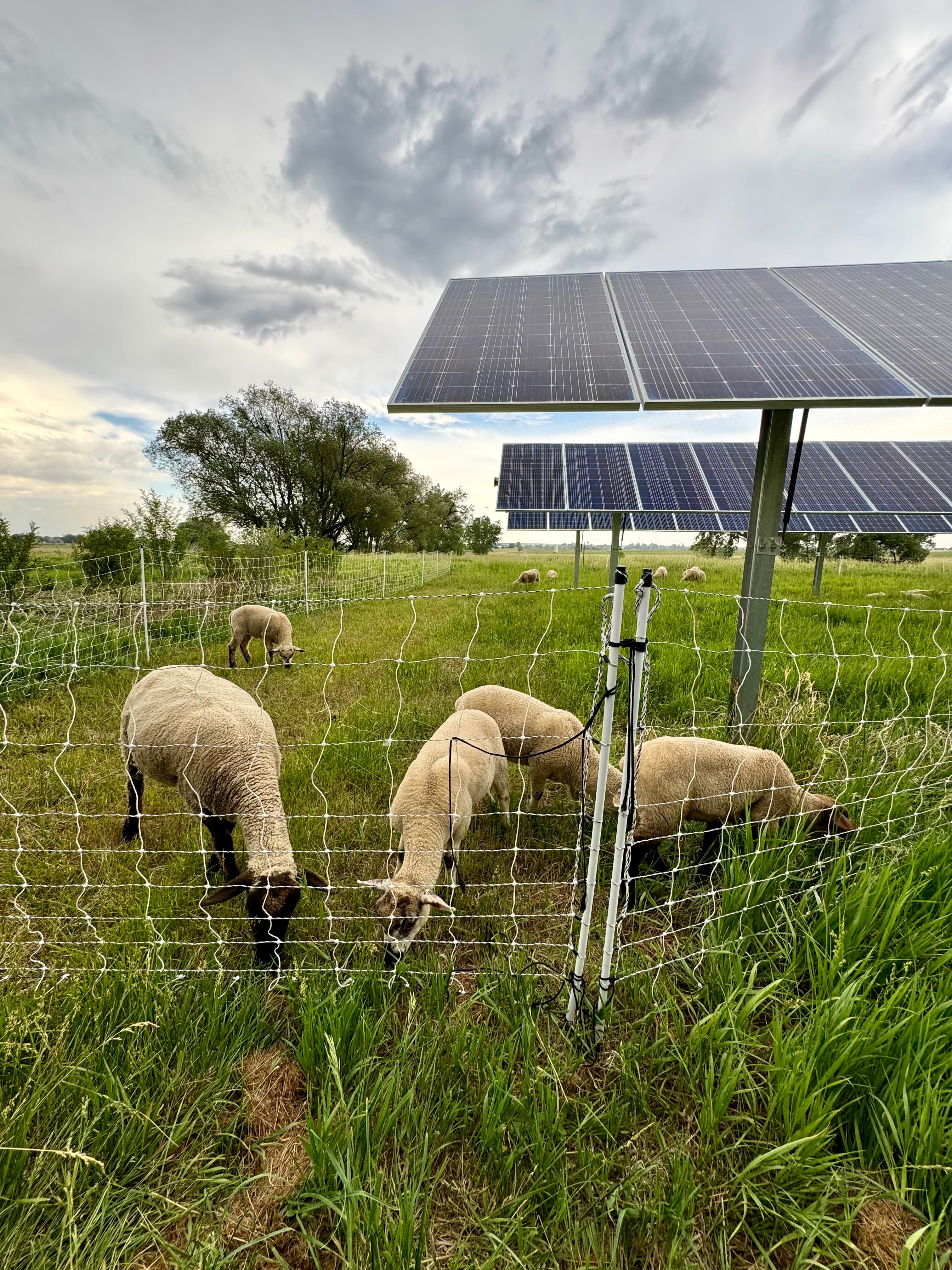
We start with fit, not pressure. If the land can support a responsible project, we handle development while you stay informed and in control of the land.
Step 1
Initial Conversation
A local Good Idea Solar person learns about your farm, goals, and questions before recommending any next step.
Step 2
Site Evaluation
We walk the property and review acreage, access, terrain, electrical infrastructure, and current agricultural use.
Step 3
Feasibility Assessment
We determine whether a small solar footprint can responsibly support the farm and community.
Step 4
Development
We handle development work, keep the landowner informed, and structure the project around a revenue-sharing partnership.
Step 5
Construction
If the project moves forward, construction is planned around the farm, local needs, and continued agricultural use.
Step 6
Long-Term Operations
The farm benefits from a long-term partnership, ongoing stewardship, and a plan to return the land to agricultural use.
Land Fit
A simple checklist before we walk the property
Not every farm is the right fit. The first conversation is about clarity, not pressure.
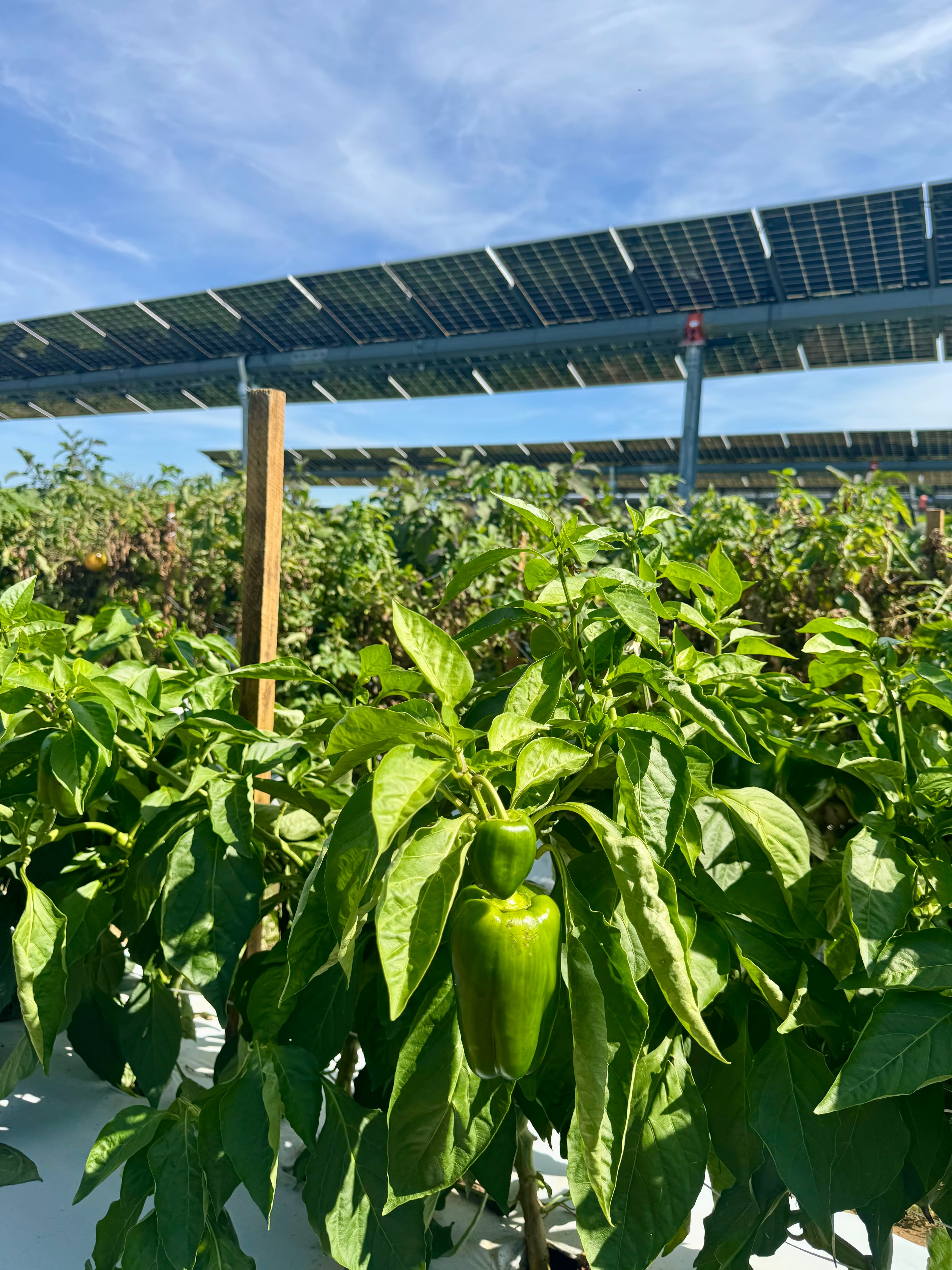
Is your farm a good fit?
This checklist is a starting point, not a calculator. There is no cost to evaluate your property.
- 15 to 25 acres of developable land, or a larger farm with a suitable portion available.
- 2Located in Maryland, Tennessee, or another state with active community solar programs.
- 3Reasonable access to electrical infrastructure.
- 4Limited slope and enough open area for a responsibly planned project.
- 5Clear of major obstructions, wetlands, floodways, and sensitive constraints.
- 6A landowner who wants a long-term partner, not a one-time transaction.
No estimates, no pressure, and no published financial projections.
Industry & Community Affiliations

- Family-Farm Founded
- Service-Disabled Veteran-Owned Small Business
- Member of TenneSEIA
- Member of Bethesda Green
FAQ
Questions farmers ask before taking the next step
In many cases, yes. Good Idea Solar focuses on using a small portion of the farm while preserving productive agricultural use around the project.
There is no cost to evaluate whether your property may be a good fit.
Responsible project planning includes long-term operations, stewardship, and decommissioning so the land can return to agricultural use.
Good Idea Solar typically looks at farms and landowners with 5 to 25 acres of developable land, though fit depends on the full property context.
No. The first step is a simple conversation and, if it looks promising, a real site visit with someone who can give you a straight answer.
A long-term solar agreement is not tied to weather, commodity prices, or input costs. It can give the operation a steadier floor while the rest of the farm keeps working.
Free Property Analysis
See whether solar may make sense for your farm
Share a few details and we will review the property context. No cost, no estimate, no automated answer.